Cremation Rates in Tennessee Are Climbing: Here's What's Driving the Shift
A generation ago, most families in Tennessee chose traditional burial. It was the default. The expected path. For many, it was the only option they ever considered.
That's no longer the case.
Cremation has been rising steadily across the United States for decades, and Tennessee is following the same trend. While the state has historically leaned toward burial more than many parts of the country, the gap is closing fast. More families in Williamson County and across Middle Tennessee are choosing cremation today than at any point in history.
So what's behind the shift? It's not one single thing. It's a combination of changing costs, evolving beliefs, growing flexibility, and a generational rethinking of what it means to say goodbye.
The Numbers Tell a Clear Story
The National Funeral Directors Association (NFDA) and the Cremation Association of North America (CANA) both track cremation trends across the country. Their data tells a consistent story: the national cremation rate crossed the 50% mark several years ago and continues to climb. Projections suggest it could reach close to 80% within the next couple of decades.
Tennessee's cremation rate has traditionally lagged behind the national average. Southern states in general have been slower to adopt cremation, largely because of strong ties to religious traditions that have historically favored burial. But that gap has been narrowing year after year.
In communities like Franklin and the broader Williamson County area, the shift is visible to anyone in the funeral profession. More families are asking about cremation options during arrangement meetings. More are choosing memorial services over traditional funerals. And more are pre-planning with cremation as their preferred method.
Cost Is a Major Factor
Let's be direct: cremation typically costs less than a traditional burial. Sometimes significantly less.
A traditional funeral with embalming, a casket, a viewing, a ceremony, and a burial plot involves many separate expenses. When you add up the funeral home charges, the cemetery fees, the headstone, and the vault or liner, the total can stretch well beyond what many families can comfortably afford.
Cremation simplifies the equation. A direct cremation, with no formal service, is the most affordable option most funeral homes offer. But even when families choose to pair cremation with a memorial service, the overall cost is usually lower than the traditional burial route.
In an era where household budgets are tight and the cost of living continues to rise, affordability plays a real role in how families make end-of-life decisions. That's not something to be ashamed of. It's simply the reality for many people.
You can explore cremation service options and pricing to get a clearer picture of what's available and what it costs.
Religious and Cultural Views Are Evolving
For a long time, certain religious traditions discouraged or outright prohibited cremation. The Catholic Church, for example, did not permit cremation for most of the 20th century. That changed in 1963, and in the decades since, Catholic families have increasingly chosen cremation while still honoring their faith's guidelines around the respectful treatment of cremated remains.
Protestant denominations in the South have also been slower to embrace cremation, but attitudes are shifting. Many pastors and church leaders now view cremation as a matter of personal choice rather than a theological issue. The focus has moved from the method of disposition to the meaning of the service itself.
This is especially relevant in Williamson County, where faith plays an important role in community life. As religious leaders become more open to cremation, families feel more comfortable choosing it without worrying that they're going against their beliefs.
Flexibility and Personalization Appeal to Modern Families
One of the biggest misconceptions about cremation is that it means skipping a service entirely. That's simply not true.
Cremation actually gives families more options, not fewer. Without the time constraints that come with burial (such as embalming timelines and cemetery schedules), families can take more time to plan a service that feels right.
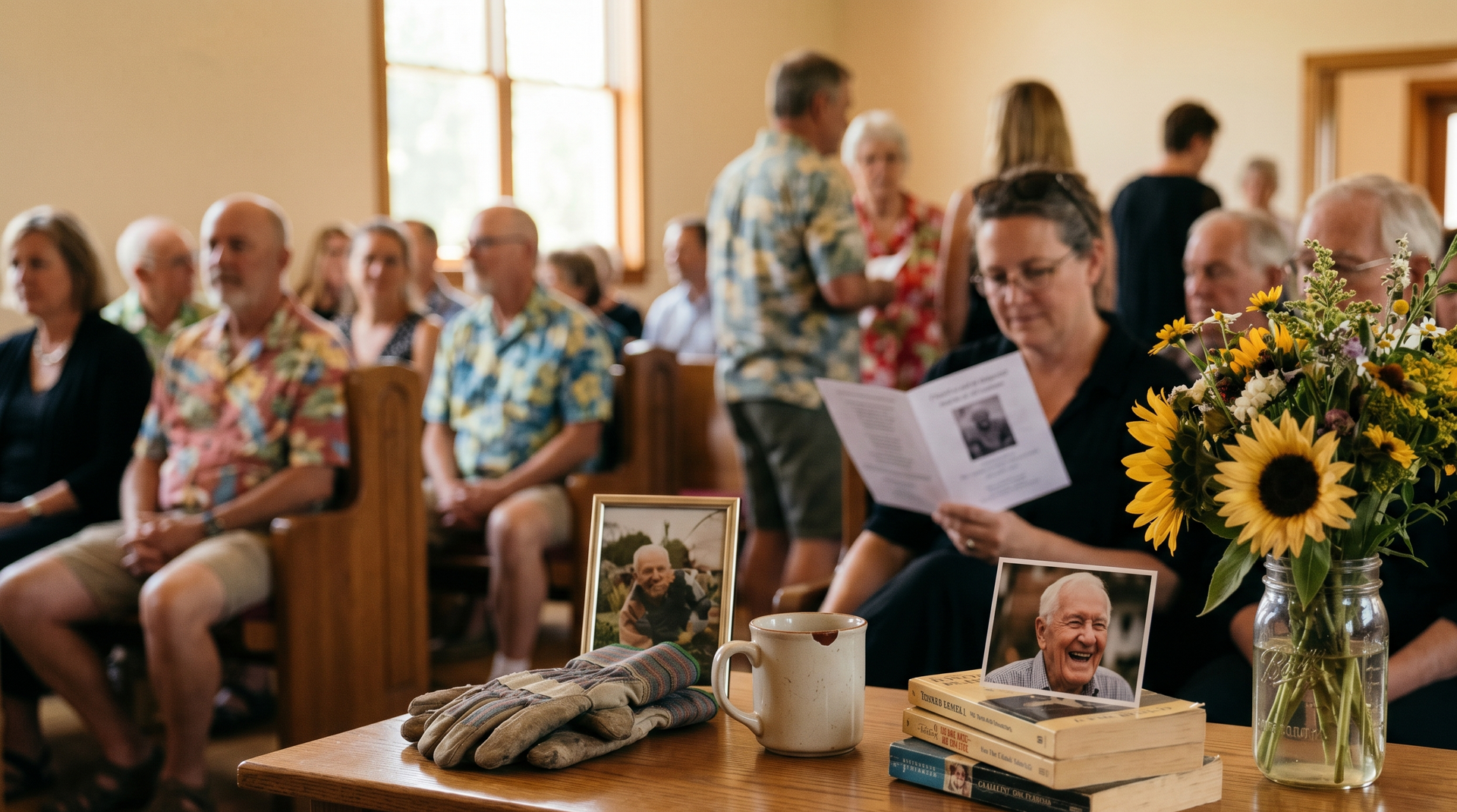
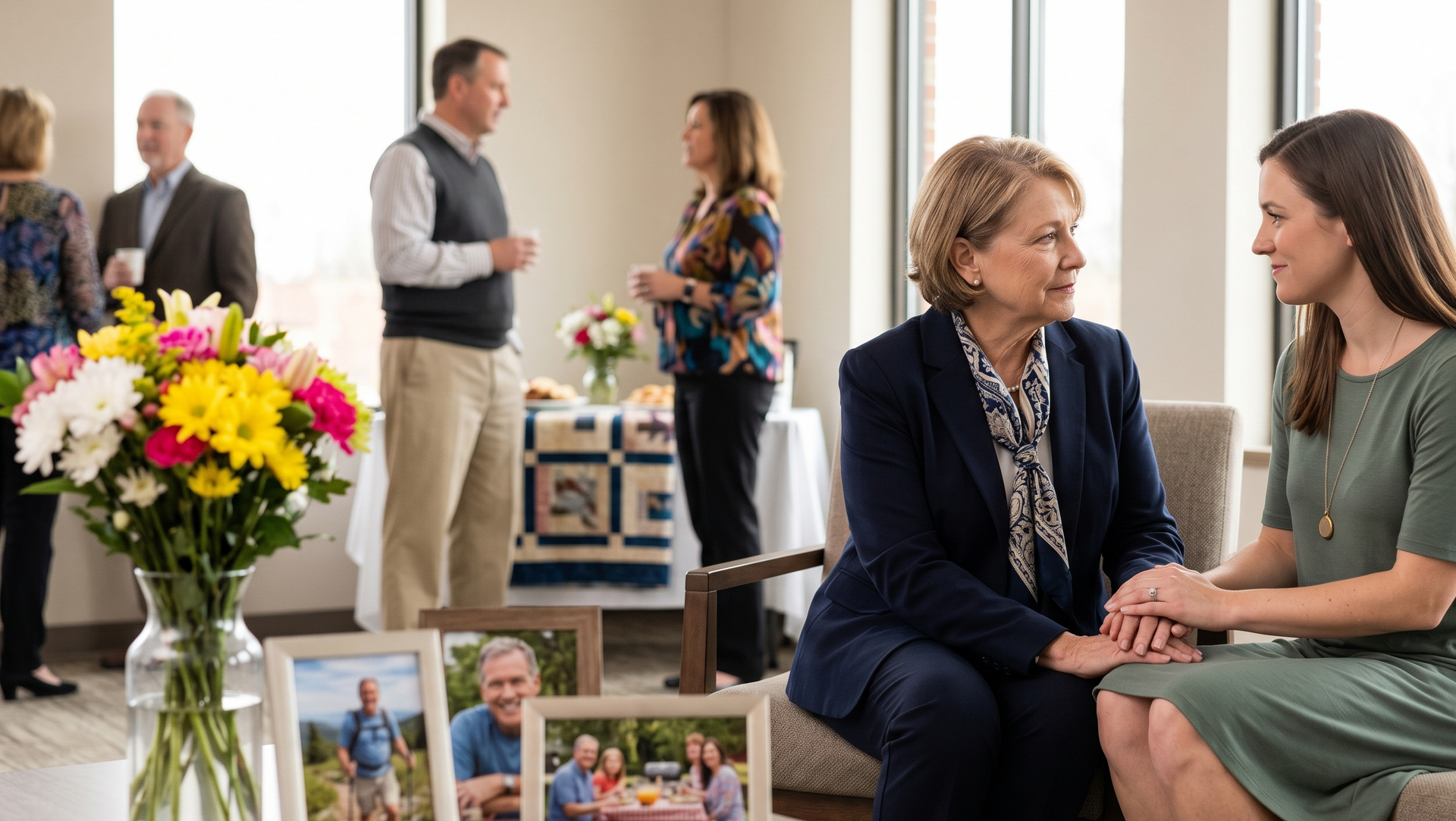
A memorial service can be held days or even weeks after the cremation. It can take place at a funeral home, a church, a family property, or even a favorite outdoor spot. Some families hold small, private gatherings. Others plan larger celebrations of life with music, photos, and shared stories.
This flexibility is a big part of why younger generations are gravitating toward cremation. They want services that feel personal and meaningful, not rigid or formulaic. Cremation makes that easier.
Families who want to personalize a service have more room to be creative when cremation is part of the plan.
What Families Can Do With Cremated Remains
Another factor driving cremation's popularity is the growing range of options for what happens after the cremation itself.
Families can choose to keep the remains in a decorative urn at home. They can place them in a columbarium niche at a cemetery or memorial garden. They can scatter them at a meaningful location (following local and state regulations). Some families divide the remains among multiple family members, each keeping a small keepsake urn.
There are also newer options like memorial jewelry, where a small amount of cremated remains is incorporated into a pendant or ring. Tree pod burials, where remains are used to nourish a planted tree, have also gained attention in recent years.
This variety of choices gives families a sense of control and personalization that traditional burial doesn't always offer. It allows people to honor their loved one in a way that feels unique and fitting.
The Role of Pre-Planning in the Cremation Trend
Pre-planning has also played a part in the rise of cremation. When people plan their own end-of-life arrangements in advance, they tend to make more practical, cost-conscious decisions. They're not caught up in the emotion of the moment. They have time to research, compare, and think clearly.
Many people who pre-plan choose cremation because it aligns with their values around simplicity, affordability, or environmental awareness. And because they've made the decision themselves, their families don't carry the weight of wondering whether they made the right call.
If you're thinking about planning ahead, exploring your cremation options now can save your family both money and emotional stress later.
What This Trend Means for Williamson County Families
The rise of cremation in Tennessee isn't a rejection of tradition. It's an expansion of choice.
Families still want to honor their loved ones. They still want meaningful services. They still want to gather, grieve, and celebrate the lives of the people they've lost. What's changed is how they choose to do that.
For some families, a traditional burial service will always be the right fit. And that's perfectly valid. But for a growing number of families in Franklin and Williamson County, cremation offers a path that's more affordable, more flexible, and more aligned with how they want to remember the people they love.
At Stephens Funeral & Cremation Services, we support families no matter which path they choose. We offer a full range of funeral and cremation services designed to meet your needs, your values, and your budget.
If you have questions about cremation or want to talk through your options, we're here to help. No pressure, no judgment. Just honest guidance from a family that's been serving this community for generations.