Cremation Myths That Still Confuse Families in 2026
Cremation has become the most popular form of disposition in the United States. More families choose it every year. Yet despite its growing prevalence, a surprising number of myths, misconceptions, and half-truths continue to circulate.
Some of these myths have been around for decades. Others are newer, fueled by social media, pop culture, or well-meaning but inaccurate advice from friends and family. Either way, they create confusion at a time when families need clarity most.
If you're considering cremation for yourself or a loved one, here are the myths that still trip people up in 2026, and the truth behind each one.
Myth 1: You Can't Have a Funeral If You Choose Cremation
This is probably the most persistent myth in funeral care, and it's completely false.
Cremation and funeral services are not mutually exclusive. You can have a full traditional funeral, complete with a viewing, a ceremony, music, eulogies, and a gathering of family and friends, followed by cremation instead of burial.
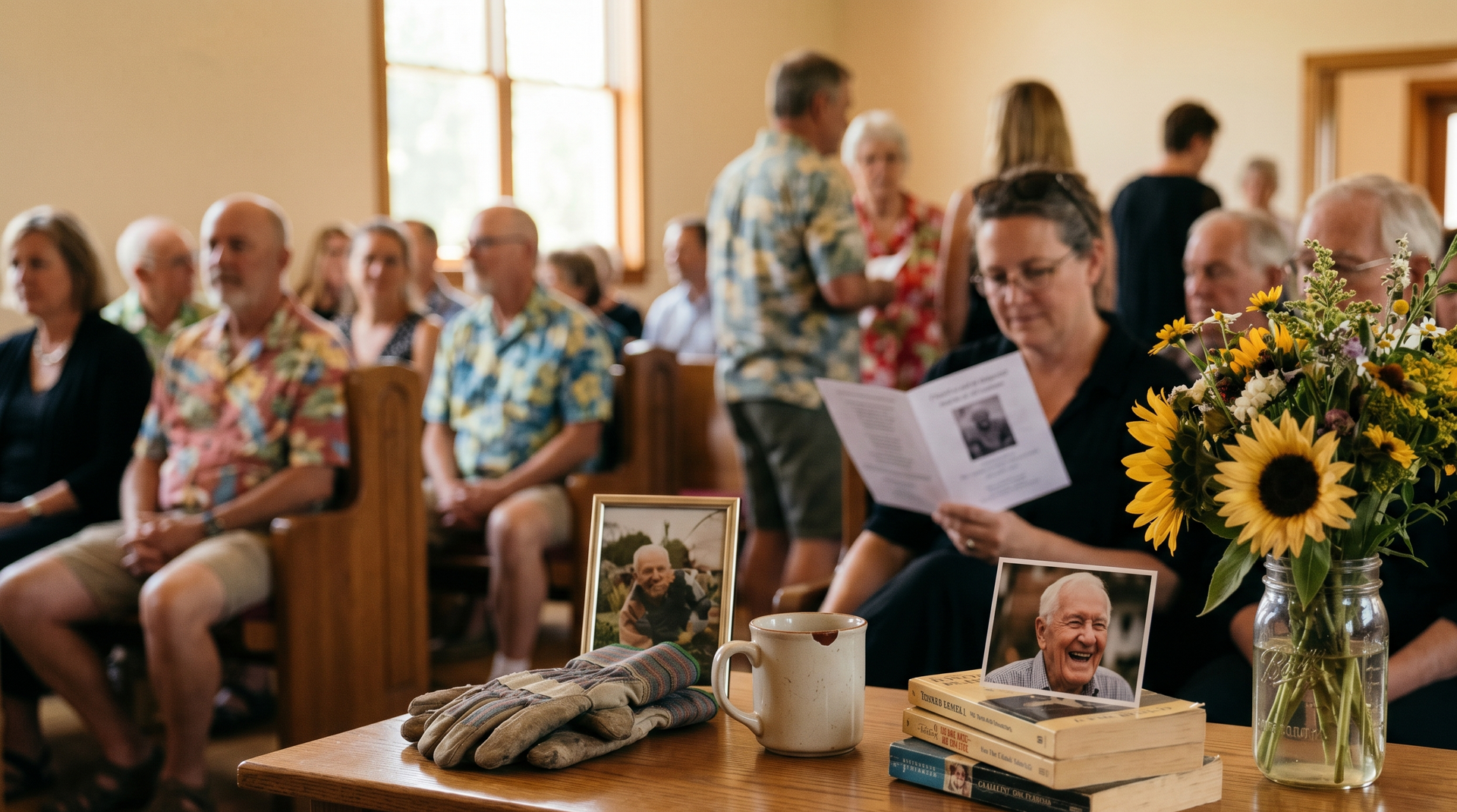
You can also hold a memorial service after the cremation has taken place, with the urn present. Or you can have a celebration of life weeks later in a location that meant something to the deceased.
Cremation doesn't eliminate your options. It expands them. The flexibility to hold a service before, after, or even without the cremation is one of the biggest reasons families choose this path.
You can explore the full range of cremation service options available to your family.
Myth 2: Cremation Is Against Most Religions
This was once more true than it is today. Several major religions historically prohibited or discouraged cremation. But religious views have shifted significantly over the past several decades.
The Catholic Church lifted its prohibition on cremation in 1963. Today, cremation is permitted for Catholics, with the guideline that cremated remains should be kept intact and placed in a sacred location rather than scattered or divided.
Most Protestant denominations leave the decision to the individual and family. Many pastors and church leaders in the South, including in Williamson County, view cremation as a matter of personal preference rather than a theological issue.
Judaism and Islam generally still prefer traditional burial, though individual communities and families may vary in their practices. Hinduism and Buddhism have long embraced cremation as part of their traditions.
The key takeaway is this: if your faith is important to you, talk to your clergy or spiritual leader about cremation before assuming it's off the table. You may find that your tradition is more accommodating than you expected.
Myth 3: You Don't Get Your Loved One's Actual Remains Back
This fear comes up more often than funeral directors might expect. Some families worry that crematories mix up remains, combine multiple cremations, or return generic material instead of their loved one's actual remains.
The reality is that the cremation industry follows strict identification protocols specifically to prevent this. A metal identification tag is assigned to the deceased at the funeral home and stays with them through every step of the process, from preparation through cremation and into the final container.
Only one body is cremated at a time. This is both a legal requirement and a universal industry standard. After the cremation is complete and the remains are processed, they are placed in the urn or container along with the identification tag.
Reputable crematories are licensed, inspected, and held to rigorous standards. The system is designed to ensure that what you receive is exactly what it should be.
Myth 4: Cremated Remains Are Ashes
The term "ashes" is so widely used that most people don't realize it's technically inaccurate. Cremated remains are not ash in the way you'd find in a fireplace.
What families receive after a cremation is processed bone fragment. The intense heat of the cremation chamber reduces the body to skeletal remains, which are then mechanically processed into a fine, powdery consistency. The result is typically a grayish-white material with a texture similar to coarse sand.
The weight and volume of cremated remains vary based on the size of the individual, but they generally fill a container roughly the size of a medium to large box.
This distinction doesn't change anything practical about how families handle the remains. But understanding what the material actually is can help reduce the mystery and discomfort some people feel about cremation.
Myth 5: You Can Scatter Cremated Remains Anywhere
Many families plan to scatter their loved one's remains at a meaningful location, and in many cases, scattering is a beautiful and perfectly legal option. But the idea that you can scatter remains absolutely anywhere without restriction is a myth.
In Tennessee, scattering on private property requires the landowner's permission. Scattering on public land, including state and national parks, is subject to the rules of the managing agency. Some parks allow scattering with a permit. Others prohibit it entirely.
Scattering at sea is permitted under federal guidelines, generally at a distance of at least three nautical miles from shore. Scattering from the air is legal in most areas but may require notification to the FAA depending on the circumstances.
The bottom line: scattering is usually possible, but you should check local and state regulations before making specific plans. Your funeral director can help you understand what's allowed and where.
Myth 6: Cremation Is Always Cheap
Cremation can be more affordable than traditional burial, but it's not always inexpensive. The cost depends entirely on the level of service you choose.
A direct cremation with no service is the most affordable option. But if you add a viewing, a formal ceremony, a rental casket, a premium urn, and a reception, the costs can approach those of a traditional funeral.
The myth that cremation is automatically cheap sometimes leads families to choose it without fully understanding their options. They may skip a meaningful service because they assumed cremation meant no service, or they may be surprised by the final bill when they add elements they didn't expect to pay for.
The best approach is to review a detailed price list and talk through the options with your funeral director. Cremation can absolutely be affordable, but like any arrangement, the cost depends on the choices you make.
Myth 7: The Casket Gets Cremated With the Body
Some families believe that if they purchase a casket for a viewing, the casket will be cremated along with the body. This isn't necessarily the case.
Many funeral homes offer rental caskets specifically for viewings and services that precede a cremation. The rental casket is a fully presentable, dignified unit used during the service. Afterward, the body is transferred to a simple cremation container for the actual cremation process.
If a family purchases a casket outright and wishes for it to be cremated with the body, that is possible. But it's a choice, not a requirement. Knowing about the rental option can save families a significant amount of money while still allowing them to have the viewing experience they want.
Myth 8: Embalming Is Required Before Cremation
It is not. Embalming is not required by Tennessee law for cremation, and it's not required by most states.
Embalming is typically only recommended when the family chooses to have a viewing with the body present before the cremation. In that case, embalming preserves the body's appearance for the visitation period.
If no viewing is planned, embalming serves no purpose in the cremation process. Refrigeration can be used for short-term preservation if there is a delay between the death and the cremation.
Some funeral homes may present embalming as standard practice or include it in package pricing. If you're choosing cremation without a viewing, ask whether embalming is included in the quoted price and whether you can opt out.
Myth 9: You Have to Buy an Urn From the Funeral Home
Just as the FTC Funeral Rule gives you the right to purchase a casket from any source, it also gives you the right to purchase an urn from any retailer.
Funeral homes offer a selection of urns, and many families find something they love among those options. But if you prefer to shop online, visit a specialty retailer, or use a family heirloom, the funeral home must accommodate your choice without charging a handling fee.
Some families choose handmade urns crafted by local artisans. Others select biodegradable urns designed for scattering or burial. Some keep the remains in a simple temporary container until they decide on a permanent option.
There is no rule that says you must make this decision immediately. Take your time and choose something that feels right.
Myth 10: Cremation Means You Don't Need a Funeral Home
While it's true that some families handle aspects of cremation independently, the vast majority of cremations are coordinated through a licensed funeral home. And there are good reasons for that.
A funeral home handles the legal paperwork, including the death certificate, cremation permits, and authorizations. They coordinate with the crematory, manage identification protocols, and ensure that every step of the process is handled properly.
They also provide the support, guidance, and logistical coordination that families need during a difficult time. From planning a meaningful service to helping write an obituary to connecting families with grief resources, the funeral home's role extends far beyond the cremation itself.
Choosing cremation doesn't mean going it alone. It means working with a provider who respects your choices and helps you carry them out with care.
The Truth Is Simpler Than the Myths
Most cremation myths survive because families don't have access to clear, honest information at the time they need it most. By the time they're sitting in an arrangement meeting, they've already absorbed years of half-truths from movies, social media, and well-meaning friends.
The truth about cremation is straightforward. It's a dignified, well-regulated process. It gives families more flexibility, not less. It can be paired with any type of service. And it's handled by professionals who treat every individual with the same respect and care they'd want for their own family.
At Stephens Funeral & Cremation Services, we answer questions about cremation every day. We welcome them. Because the more informed your family is, the more confident you'll feel about the choices you make.
If you have questions about cremation, whether it's something from this list or something you've been wondering about for years, reach out to us. We'll give you honest answers and help you make the decision that's right for your family.