What Does a Funeral Director Actually Do? A Behind-the-Scenes Look
Most people only interact with a funeral director once or twice in their lives. And when they do, it's usually during one of the most overwhelming moments they've ever experienced. So it's not surprising that most people have only a vague idea of what funeral directors actually do.
Some imagine someone in a dark suit who stands quietly in the corner during a service. Others picture the person who greets them at the door and walks them through casket options. Both images are partially right, but they barely scratch the surface.
The truth is, funeral directors do far more than most families ever see. They are part logistics coordinator, part grief counselor, part event planner, part legal administrator, and part caretaker. And on any given day, they might be doing all of those things at once.
Here's a behind-the-scenes look at what the job actually involves.
The Call That Starts Everything
A funeral director's involvement typically begins with a phone call, often in the middle of the night. When someone dies, the family calls the funeral home, and a funeral director responds.
That first call sets everything in motion. The funeral director gathers basic information: the name of the deceased, where the death occurred, whether hospice or a medical facility is involved, and whether the family has any immediate concerns.
Within hours, sometimes within the hour, the funeral director arranges for the transfer of the deceased from the place of death to the funeral home. This might mean driving to a hospital, a nursing home, a private residence, or in some cases, a coroner's office. The transfer happens respectfully and discreetly, regardless of the time or location.
For families going through an immediate need situation, this first contact with a funeral director is often the moment where the chaos begins to feel manageable. Someone is in charge. Someone knows what to do next.
Paperwork Most People Never Think About
Behind every funeral is a mountain of paperwork. And the funeral director handles nearly all of it.
Death certificates. The funeral director works with the attending physician or medical examiner to complete the death certificate. This includes gathering biographical information from the family, confirming the cause of death with the medical professional, and filing the certificate with the appropriate vital records office. Most families need multiple certified copies for insurance claims, bank accounts, property transfers, and legal proceedings. The funeral director orders those copies on the family's behalf.
Permits. In Tennessee, a burial or cremation permit must be obtained before disposition can take place. The funeral director secures this permit, coordinating with the local registrar and, in the case of cremation, the medical examiner.
Social Security notification. The funeral director typically notifies the Social Security Administration of the death and can help the family understand what survivor benefits may be available.
Veterans paperwork. If the deceased was a veteran, the funeral director assists with filing for VA burial benefits, ordering a government headstone or marker, and coordinating military funeral honors.
Insurance and pre-plan claims. If the deceased had a life insurance policy or a pre-funded funeral plan, the funeral director helps the family file the appropriate claims and apply the proceeds to the funeral costs.
Most families never see any of this happening. By the time they sit down for the arrangement meeting, much of the administrative groundwork has already been laid.
The Arrangement Meeting
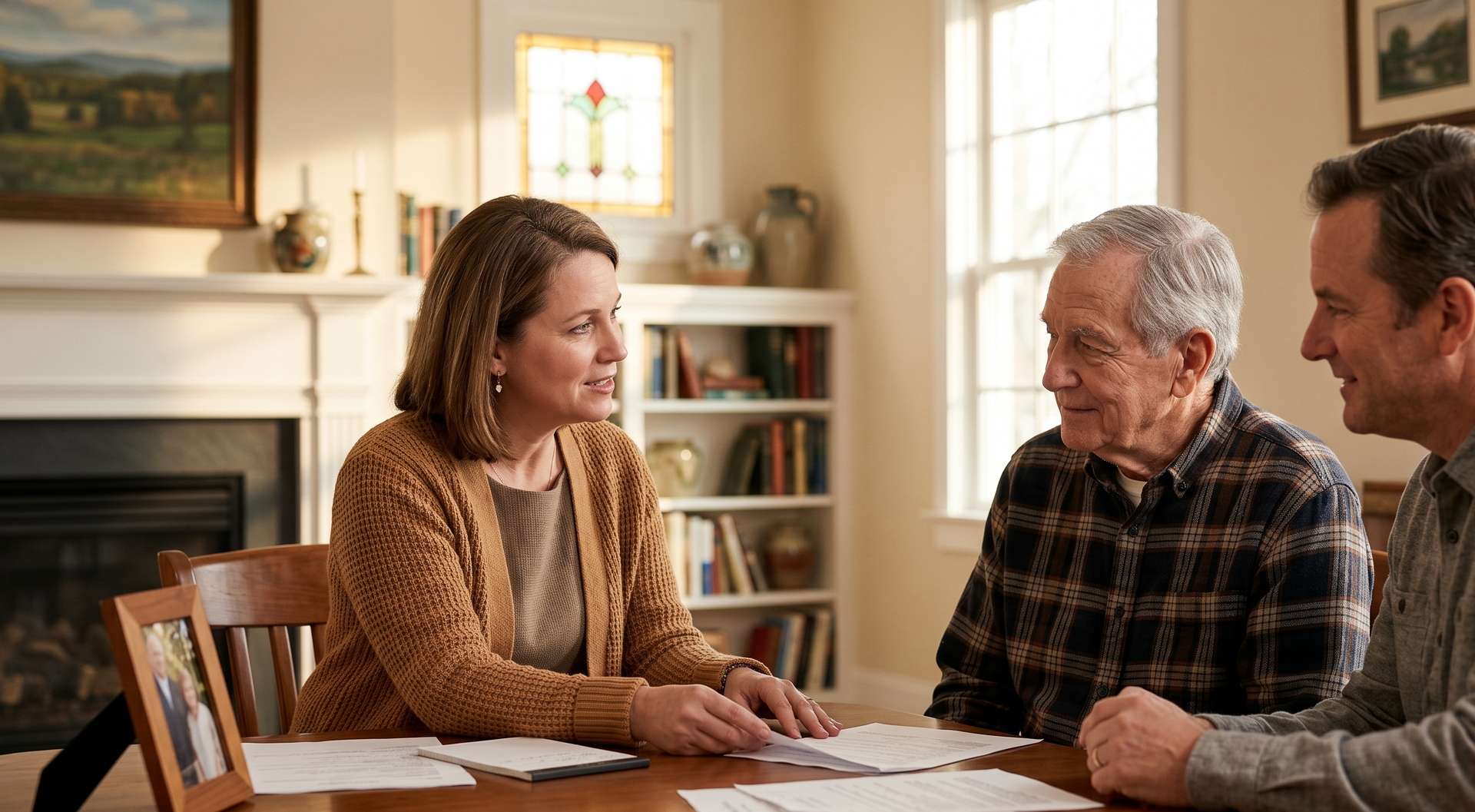
The arrangement meeting is the conversation where the family and the funeral director sit down together to plan the service. This is the part of the process most people are familiar with, but there's more to it than choosing a casket and picking a date.
A good funeral director starts by listening. They ask about the person who died. What were they like? What did they love? What mattered to them? What does the family want this service to feel like?
From there, the funeral director walks the family through the available options: the type of service, the location, the products, the personalization elements, the timeline, and the cost. They explain what's required, what's optional, and what falls within the family's budget.
This meeting is part planning session, part counseling conversation. Families are often emotional, exhausted, and uncertain. A skilled funeral director creates space for all of that while still moving the process forward in a clear, organized way.
You can review available services in advance to get familiar with the options before sitting down for this meeting.
Preparing the Deceased
This is the part of the job most people don't see and don't think about. But it's one of the most important things a funeral director does.
If the family has chosen a viewing or an open-casket service, the funeral director oversees the preparation of the body. This includes embalming (when chosen), bathing, hairstyling, dressing in clothing selected by the family, and cosmetic application to create a natural, peaceful appearance.
The goal is to present the deceased in a way that brings comfort to the family. When done well, a viewing allows loved ones to see the person looking at rest, which can be a powerful part of the grieving process.
If cremation has been chosen without a viewing, the funeral director still ensures the deceased is treated with dignity throughout the entire process. Identification protocols are followed, the body is placed in an appropriate container, and the cremation is coordinated with the crematory.
Regardless of the type of service, the funeral director's role is to be the last person to care for your loved one with the same respect and tenderness you would.
Coordinating the Service
Planning a funeral involves coordinating with a surprising number of people and vendors. The funeral director serves as the central point of contact for all of them.
Clergy or officiants. The funeral director communicates with the person leading the service to coordinate timing, content, and logistics.
Musicians and audio/visual teams. Whether it's a live soloist, a playlist, or a tribute video, the funeral director makes sure the technical details are handled.
Florists. Flower orders are coordinated, delivery is scheduled, and arrangements are placed before the family and guests arrive.
Cemetery staff. If a burial is involved, the funeral director coordinates with the cemetery on the grave opening, the plot location, and the committal ceremony.
Crematory. If cremation is part of the plan, the funeral director arranges transportation to the crematory and manages the timeline for the return of the remains.
Obituary placement. The funeral director helps the family write the obituary and submits it to newspapers and online platforms.
Printed materials. Service programs, prayer cards, memorial bookmarks, and guest books are ordered, designed, and printed.
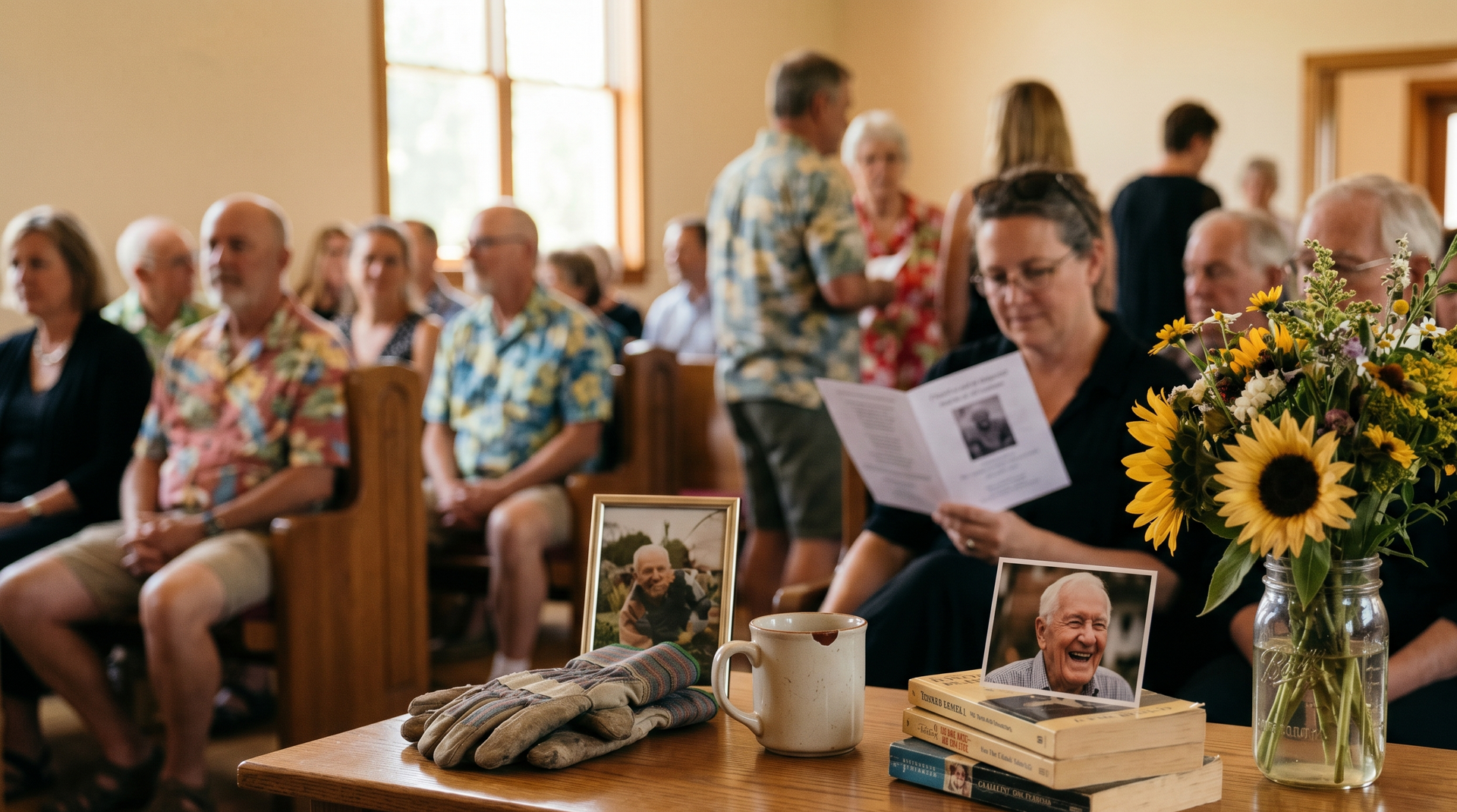
On the day of the service, the funeral director is essentially the stage manager. They make sure everything happens on time, in the right order, and without the family having to worry about a single logistical detail. From the moment guests arrive to the moment the last car pulls away, the funeral director is quietly running the show.
The Day of the Service
When the day of the funeral or memorial service arrives, the funeral director is the first person at the funeral home and often the last to leave.
They set up the room. They check the flowers, the photos, the audio equipment, and the seating. They greet the family when they arrive and walk them through the timeline for the day. They meet with the officiant for a final coordination check.
During the service, the funeral director stays in the background. They manage the flow of the ceremony, cue the music, guide pallbearers, and handle any unexpected situations that arise. If a speaker runs long, if a child gets restless, if a piece of equipment malfunctions, the funeral director adapts in real time without anyone in the audience noticing.
After the ceremony, they coordinate the procession to the cemetery, direct traffic, and manage the graveside committal. Or, if the service is followed by cremation, they arrange the transportation and oversee the process.
The family's only job is to be present. Everything else is handled.
What Happens After the Service
A funeral director's work doesn't end when the service is over.
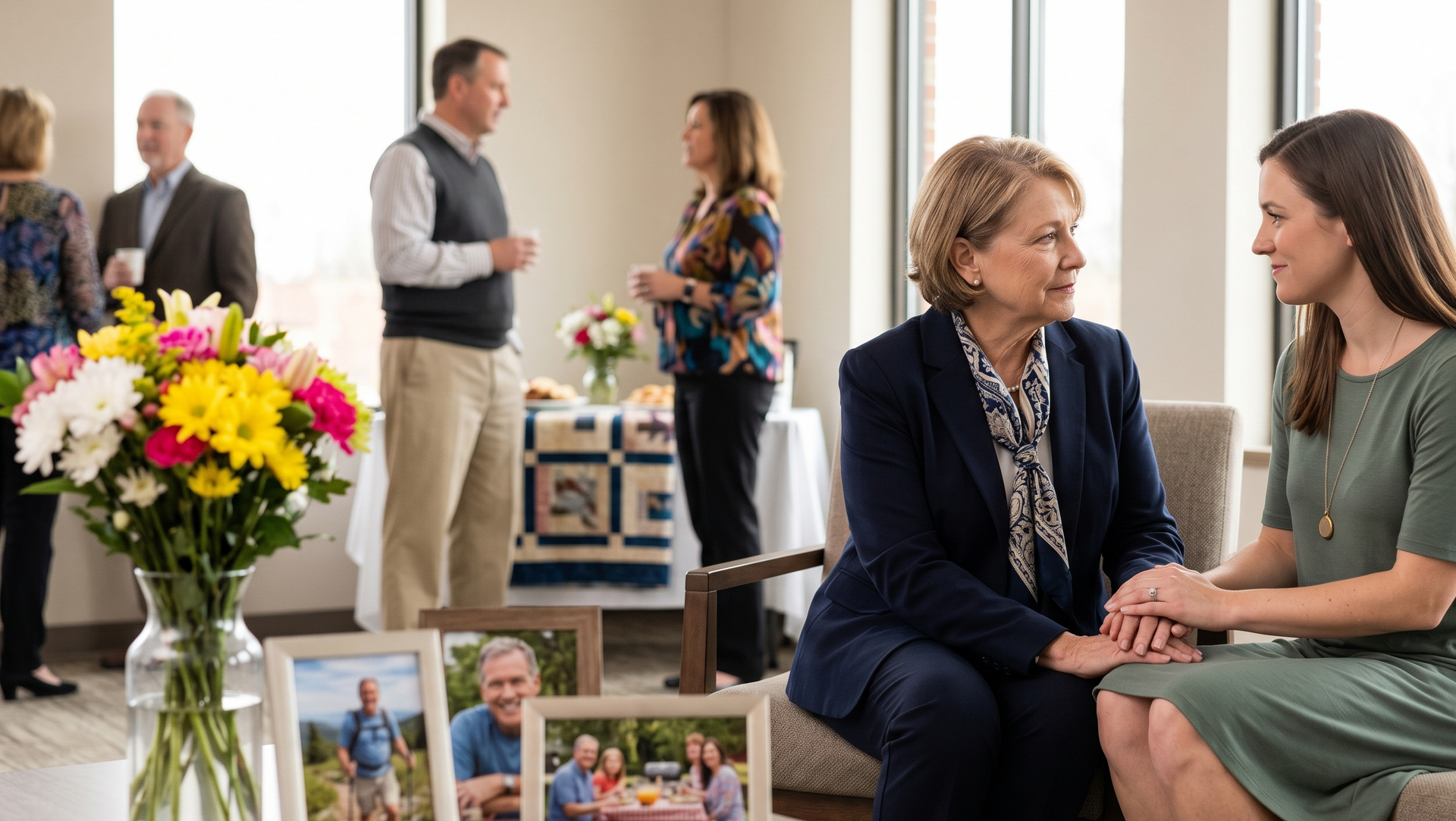
In the days and weeks that follow, the funeral director may help the family with insurance paperwork, provide certified copies of the death certificate, coordinate the delivery of the cremated remains, assist with the installation of a headstone or marker, and connect the family with grief support resources.
Many funeral directors also check in with families after the service to see how they're doing. This isn't a sales call. It's genuine concern for people they've walked through one of the hardest experiences of their lives.
At family-owned funeral homes, this aftercare often extends for months or even years. The relationship between the funeral director and the family doesn't expire when the bill is paid. It becomes part of the community fabric that connects people over time.
The Human Side of the Job
Funeral directing is not a job most people choose for the money or the glamour. It's a vocation that requires a rare combination of technical skill, emotional intelligence, physical stamina, and deep compassion.
Funeral directors see death every day. They sit with families in the rawest, most vulnerable moments of their lives. They carry the weight of other people's grief while maintaining the composure and clarity needed to manage dozens of moving parts.
They miss holidays. They work weekends. They get called at 2 a.m. and show up with the same care and professionalism they'd bring at 2 p.m.
And most of them will tell you they wouldn't trade it for anything. Because helping a family through the worst day of their life and knowing you made it even a little bit easier is work that means something.
The People Behind the Title
At Stephens Funeral & Cremation Services, funeral directing is a family tradition. Casey Stephens carries on the work started by his grandfather and continued by his father. That's three generations of caring for Williamson County families with the same hands-on, personal approach.
When you work with a family-owned funeral home, the person planning your service is the same person who will be there on the day. There's no handoff to a different team. No rotation of unfamiliar faces. Just one family serving another, with the kind of attention and commitment that only comes from deep personal investment.
If you'd like to meet our team or learn more about how we can help your family, reach out anytime. We're always happy to talk, whether you need us today or just want to plan for the future.