What to Do in the First 24 Hours After a Loved One Passes
When someone you love dies, time feels like it stops. And yet, in the hours that follow, there are things that need to happen. Calls that need to be made. Decisions that can't wait.
Most families have never been through this before. Or if they have, it's been long enough that the details have faded. The result is a disorienting mix of grief and logistics that leaves people feeling lost, overwhelmed, and unsure of what to do first.
This guide walks through the practical steps that need to happen in the first 24 hours after a death. Not to rush you. Not to minimize what you're feeling. But to give you a clear path forward during a time when clarity is hard to come by.
Take a Breath Before You Do Anything
Before diving into logistics, give yourself a moment. There is no rule that says you have to spring into action the second someone passes.
If your loved one died at home under hospice care, the hospice team will guide you through the next steps. If the death occurred at a hospital or care facility, the staff there will handle immediate medical protocols.
In either case, you are allowed to sit with your loved one. You are allowed to say goodbye on your own terms. The world will wait a few minutes while you do.
When you're ready, here's what comes next.
Step 1: Confirm the Death Has Been Officially Pronounced
Before anything else can happen, the death must be legally pronounced by a qualified individual.
If the death occurred in a hospital or nursing home, a physician or nurse on staff will handle this. If the death occurred at home under hospice care, the hospice nurse will come to the home and make the official pronouncement. If the death was unexpected and occurred at home without hospice involvement, you'll need to call 911. Paramedics or a coroner will respond and make the determination.
In cases of unexpected death, the medical examiner or coroner may need to be involved to determine the cause of death. This can delay some of the steps below, but your funeral director will help coordinate the timing once they're involved.
Step 2: Call a Funeral Home
This is one of the most important calls you'll make in those first hours. The funeral home you choose will coordinate nearly everything that happens from this point forward.
When you call, the funeral home will arrange to transport your loved one from the place of death to their facility. This can happen at any hour. Most funeral homes, including ours, are available around the clock.
If you already have a relationship with a funeral home or your loved one pre-planned their arrangements, contact that provider first. If no arrangements are in place, you'll need to choose a funeral home. This can feel like a lot of pressure in the moment, but even a brief comparison of two or three providers can help you feel more confident in your choice.
If you need immediate assistance, our team at Stephens Funeral & Cremation Services is available 24 hours a day to help your family through this moment.
Step 3: Notify Immediate Family Members
Once the funeral home has been contacted, begin reaching out to close family members. Start with the people who need to know first: a spouse, children, parents, or siblings.
You don't have to make every call yourself. Ask a trusted family member or friend to help spread the word. Designating one person as the point of contact can reduce the number of repetitive, draining conversations you have to manage in those early hours.
Keep the calls brief and factual. You don't need to have answers about the funeral or next steps yet. Simply letting people know what happened is enough for now.
For friends, extended family, and acquaintances, those calls can wait. The first 24 hours should focus on the inner circle.
Step 4: Locate Important Documents
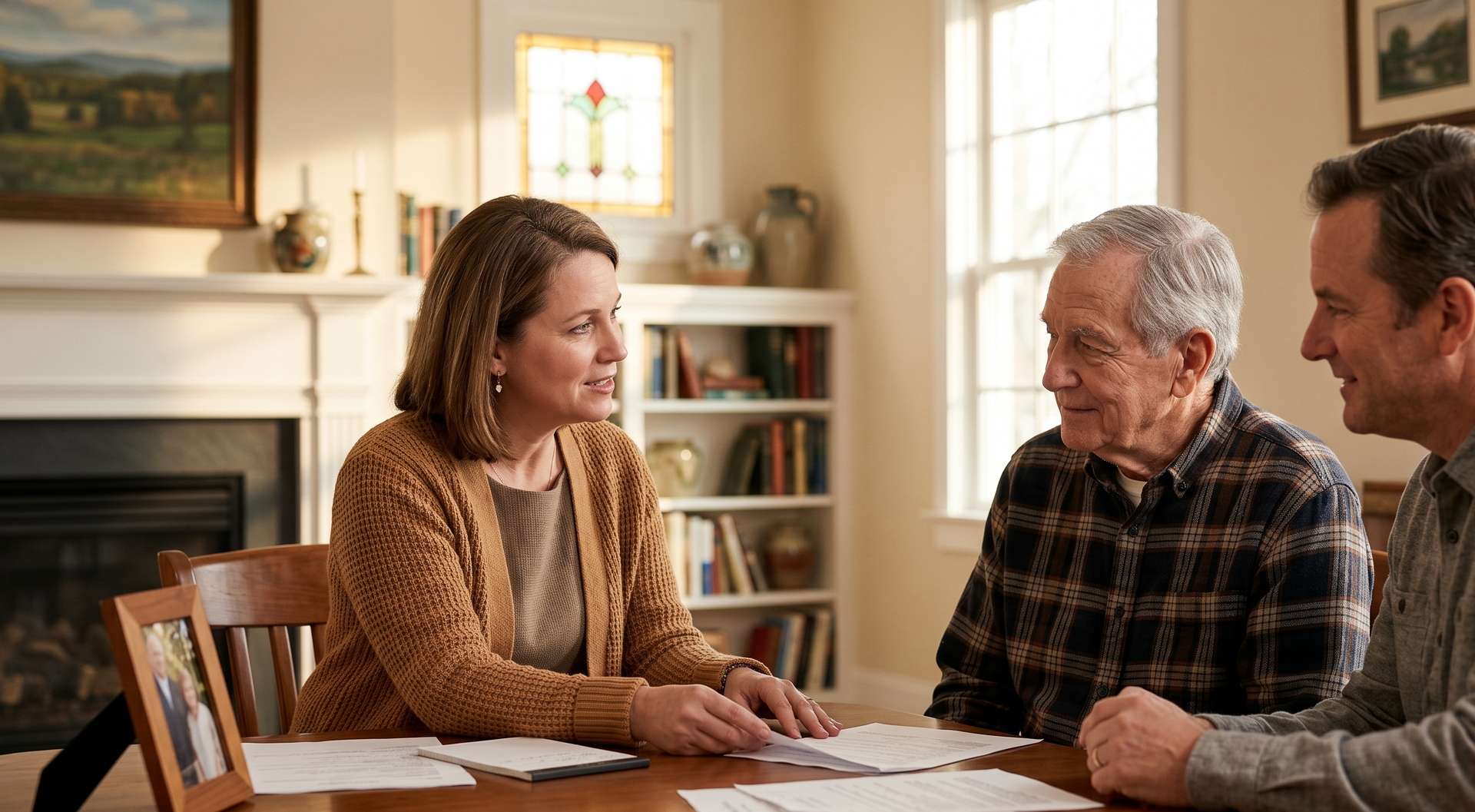
Your funeral director will need several documents to begin the arrangement process. Gathering these early will make the first meeting smoother and less stressful.
The most important document is the deceased's identification. A driver's license, passport, or state ID is typically needed.
Social Security number. This is required for the death certificate and for notifying the Social Security Administration.
Military discharge papers (DD Form 214). If the deceased was a veteran, this document is essential for accessing military funeral honors and VA burial benefits.
Insurance policies. If the deceased had a life insurance policy or a pre-paid funeral plan, locate those documents so your funeral director can help you understand what's covered.
Pre-arrangement paperwork. If your loved one pre-planned their funeral, find the documentation. It will outline their wishes and may include proof of pre-payment.
Birth certificate and marriage certificate. These may be needed for the death certificate or for legal and financial matters that follow.
Don't panic if you can't find everything right away. Your funeral director can help you track down missing documents and will guide you through what's needed at each step.
Step 5: Begin Thinking About the Type of Service
You won't need to finalize anything in the first 24 hours, but it helps to start thinking about the general direction.
Did your loved one express a preference for burial or cremation? Did they mention wanting a specific type of service? Were there religious or cultural traditions that should be honored?
If pre-arrangements exist, these questions may already be answered. If not, your funeral director will walk you through the options during the arrangement meeting, which usually happens within a day or two of the death.
It can help to review the available options in advance. You can explore services online to get a sense of what's possible before sitting down with a funeral director.
Step 6: Notify the Deceased's Employer
If your loved one was employed, their employer should be notified as soon as practical. This serves a few purposes.
The employer may offer bereavement benefits to the family, including life insurance, pension payouts, or other financial support. Human resources can also help you understand what benefits may be available and what paperwork is needed to claim them.
If the deceased was self-employed, you may need to notify clients, business partners, or vendors depending on the nature of their work.
Step 7: Secure the Home and Personal Property
If your loved one lived alone, take steps to secure their home. Lock doors and windows. Bring in any delivered packages. Adjust thermostats or timers. Notify a neighbor you trust.
If there are pets in the home, make arrangements for their care right away.
It's also wise to avoid making any major decisions about personal property in the first 24 hours. Grief can cloud judgment, and there will be time later to sort through belongings, address the will, and handle estate matters.
Step 8: Take Care of Yourself
This might sound like an afterthought, but it's not. The first 24 hours after a loss are physically and emotionally exhausting. Your body and mind are processing something enormous, and neglecting your own needs will only make the days ahead harder.
Eat something, even if you don't feel hungry. Drink water. Try to rest, even if sleep feels impossible. Accept help from friends or neighbors who offer to bring food, run errands, or sit with you.
You don't have to be strong for everyone. You don't have to have all the answers. You just have to get through today, and you're allowed to lean on other people while you do it.
What Happens After the First 24 Hours
Once the initial steps are handled, the pace slows slightly. Over the next few days, you'll meet with your funeral director to plan the service, choose products, write the obituary, and finalize logistics.
Your funeral director will guide you through each of these steps. A good one will take the time to explain your options, answer every question, and make sure your family feels supported rather than rushed.
If you'd like to understand more about what comes next in the process, our resource on what to do when a death occurs walks through the full timeline from start to finish.
You Don't Have to Do This Alone
Losing someone is one of the hardest experiences life can hand you. But you don't have to figure it all out by yourself, and you don't have to figure it all out today.
The team at Stephens Funeral & Cremation Services is here to walk beside your family through every step. From the moment you call us, we take on the logistical burden so you can focus on what matters most: being with the people you love and beginning the process of saying goodbye.
Contact us at any hour. Day or night, we're here. And we'll stay with you as long as you need.