Pre-Planning a Funeral at 40: Why Younger Families Are Starting Earlier
When most people hear the phrase "funeral pre-planning," they picture someone in their 70s or 80s getting their affairs in order. And for a long time, that was accurate. Pre-planning was something people did late in life, if they did it at all.
But that's changing. More people in their 40s and 50s are starting to make funeral arrangements well ahead of time. Not because they're sick. Not because something is wrong. But because they've seen what happens when a family is left to figure it all out with no plan in place.
If you're in your 30s, 40s, or 50s and the idea of pre-planning feels premature, this post might change your mind.
The Experience That Changes Everything
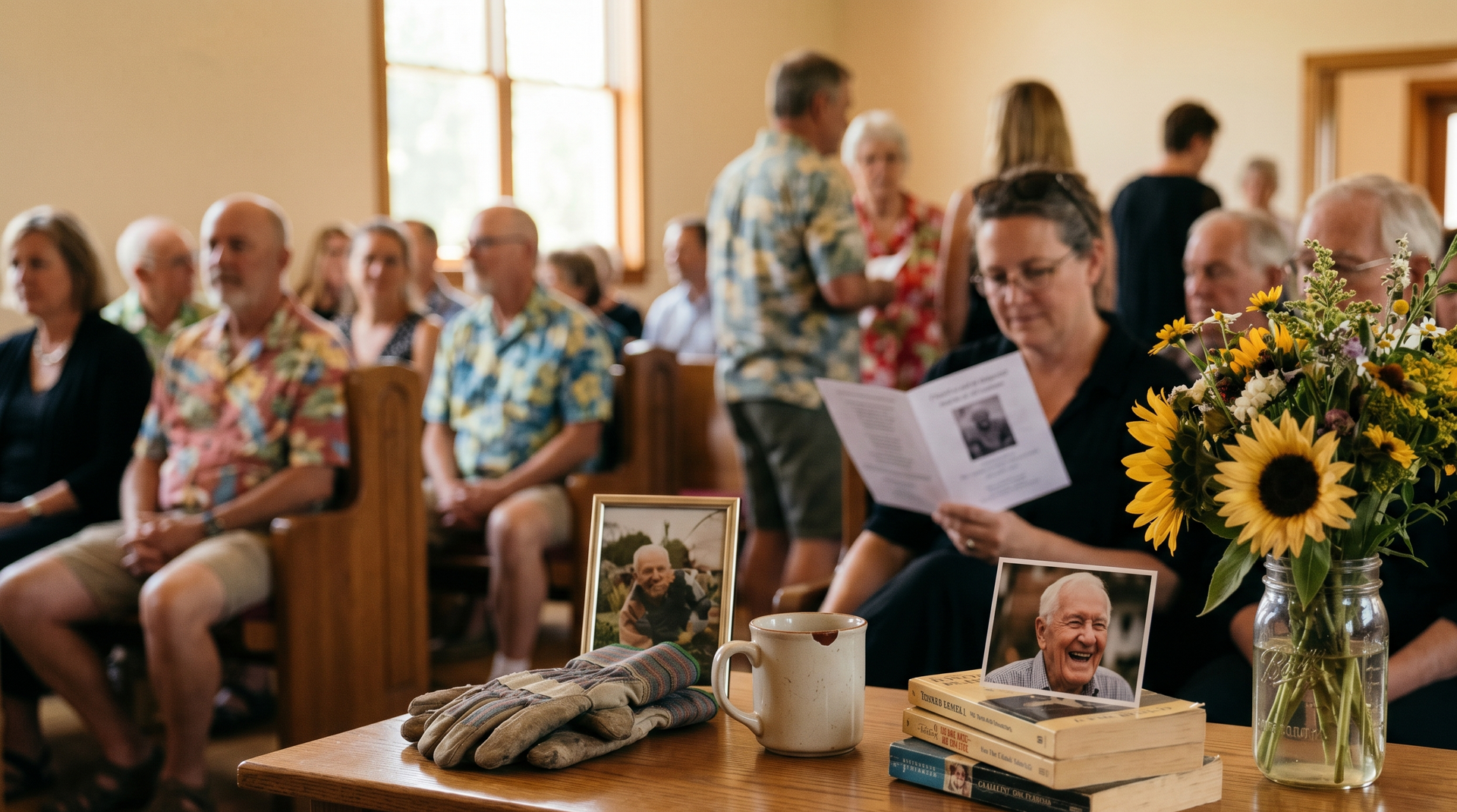
Almost everyone who pre-plans early has the same story. At some point, they went through the loss of a parent, a sibling, a close friend, or a spouse. And during the hardest days of their life, they were forced to make dozens of decisions they weren't prepared for.
What kind of service? Burial or cremation? Which casket? Which cemetery? How much to spend? Who speaks at the service? What songs? What readings?
These questions came fast, and they came during a time when thinking clearly felt almost impossible. Many families describe the experience as overwhelming, exhausting, and filled with guilt about whether they made the right choices.
That experience is often the turning point. Once someone has lived through unplanned funeral arrangements, they tend to think, "I'm never putting my family through that."
It's Not About Death. It's About Your Family.
One of the biggest barriers to pre-planning is the discomfort around the topic itself. Nobody wants to sit down and think about their own death. It feels morbid. It feels premature. And it can be hard to bring up with a spouse or children without making everyone uneasy.
But pre-planning isn't really about death. It's about making life easier for the people you love.
When you put a plan in place, you're giving your family a gift. You're removing the burden of guessing what you would have wanted. You're eliminating the family disagreements that often surface when no clear wishes exist. And you're sparing them from making expensive, emotional decisions under pressure.
That's not morbid. That's thoughtful.
The Financial Case for Planning Early
Beyond the emotional benefits, there's a practical financial advantage to pre-planning, especially when you do it younger.
Funeral costs have been rising steadily for decades. The price of services, caskets, cemetery plots, and everything in between tends to go up year after year. When you pre-plan and pre-fund a funeral, you can often lock in current prices, protecting your family from future increases.
This is especially relevant for families in Williamson County, where the cost of living has been climbing alongside the area's growth. Locking in funeral costs today at today's rates is a smart financial decision, similar to buying a home or investing early for retirement.
Even if you choose not to pre-fund right away, simply documenting your wishes saves your family from overspending out of guilt or uncertainty. When a family doesn't know what their loved one wanted, they tend to spend more, not less, because they don't want to feel like they cut corners.
What Pre-Planning Actually Involves
Pre-planning doesn't have to be complicated. At its simplest, it means sitting down with a funeral director and making your preferences known. Here's what that typically looks like:
Choosing between burial and cremation. This is the most fundamental decision, and it shapes everything else. If you want cremation, you can explore cremation service options in advance. If you prefer a traditional service, you can discuss burial and funeral arrangements at your own pace.
Selecting the type of service. Do you want a formal funeral? A memorial service? A celebration of life? Something small and private? Knowing this in advance gives your family a clear direction instead of a guessing game.
Documenting personal preferences. This can include music, readings, photos, speakers, charitable donations in lieu of flowers, or any other personal touches that matter to you. The more specific you are, the easier it is for your family to carry out your wishes.
Choosing products. Caskets, urns, memorial markers, and other items can be selected ahead of time. This removes one of the most stressful parts of the arrangement process for your family.
Pre-funding (optional). Some families choose to pay for their arrangements in advance, either in full or through an installment plan. This locks in today's pricing and means your family won't face any out-of-pocket costs at the time of need.
You can start the pre-planning process at any time. There's no minimum age and no required timeline.
Why Younger Generations Think Differently About Death
There's a cultural shift happening around how people talk about death and end-of-life planning. Younger generations, particularly Millennials and Gen X, tend to be more open about these topics than previous generations were.
Part of this comes from the internet. People now have access to information about funeral costs, consumer rights, and end-of-life options that previous generations simply didn't have. They can research, compare, and make informed decisions without relying entirely on what a funeral director tells them in a high-pressure moment.
Part of it is also the influence of the financial wellness movement. Younger adults are more likely to think about estate planning, life insurance, and long-term financial protection as connected pieces of a bigger picture. Funeral pre-planning fits naturally into that mindset.
And part of it is simply a willingness to be practical. The stigma around talking about death is fading, especially among people who have already experienced loss and understand the cost of being unprepared.
What Happens If You Don't Plan
If you pass away without any pre-arranged plans, your family will need to make every decision from scratch. That means:
They'll need to choose a funeral home under time pressure, often within hours of the death. They may not know your wishes, which can lead to disagreements among family members. They'll be making financial decisions while grieving, which often leads to overspending. And they'll carry the emotional weight of wondering whether they honored you the way you would have wanted.
None of this is unavoidable. A simple pre-plan, even one that's just a written list of your preferences, can prevent most of these problems.
Starting the Conversation at Home
If you're thinking about pre-planning, the hardest part is often the first conversation with your spouse or family. Here are a few ways to make it easier:
Frame it as a gift, not a burden. You're not asking your family to think about losing you. You're telling them that you love them enough to make things easier when the time comes.
Start with the basics. You don't need to have every detail figured out. Just knowing whether someone prefers burial or cremation is a huge head start.
Bring it up naturally. Sometimes the easiest entry point is after attending a funeral, reading an article, or hearing about someone else's experience. Use those moments as a bridge into the conversation.
Involve your funeral director. A good funeral director can guide the conversation in a way that feels comfortable and productive. They've had this conversation hundreds of times, and they know how to keep it focused and positive.
A Decision You'll Never Regret
Nobody ever looks back and says, "I wish I hadn't planned ahead." But plenty of families look back and say, "I wish we had."
Pre-planning at 40 or 50 isn't pessimistic. It's one of the most caring, responsible things you can do for the people who matter most to you. It gives your family clarity, reduces their stress, and lets them focus on what really matters when the time comes: remembering you.
At Stephens Funeral & Cremation Services, we help families at every stage of planning. Whether you're ready to make detailed arrangements or just want to start a conversation, we're here for you. No rush. No pressure. Just honest help from a family that understands what's at stake.