Celebration of Life vs. Traditional Funeral: Which Is Right for Your Family?
When someone you love passes away, one of the first decisions your family will face is what kind of service to hold. And increasingly, that decision comes down to two main options: a traditional funeral or a celebration of life.
Both are valid ways to honor someone. Both can be deeply meaningful. But they're different in tone, structure, and purpose. Understanding those differences can help your family choose the approach that feels most authentic to the person you've lost and most comforting to the people left behind.
What a Traditional Funeral Looks Like
A traditional funeral follows a familiar structure that most people have experienced at some point in their lives. It typically includes a visitation or viewing, a formal funeral ceremony, and a graveside committal service.
The visitation gives family and friends a chance to pay their respects in person. It usually takes place at the funeral home, and the body is often present in an open or closed casket. This is a time for quiet conversation, shared grief, and physical closeness to the person who has passed.
The funeral ceremony is more structured. It usually includes readings, prayers, eulogies, and music. A clergy member or officiant often leads the service. The tone tends to be reverent and reflective, with a focus on honoring the deceased and finding comfort through faith, memory, and community.
The committal service is the final step. It takes place at the graveside, where the casket is lowered into the ground. This is often the most emotional part of the process, as it represents a physical goodbye.
Traditional funerals work well for families who find comfort in ritual, religious structure, and the formality of a well-established process. There's a reason this format has endured for centuries. It provides a clear framework for grief, and many people find that framework deeply comforting.
You can learn more about traditional funeral services and what they include.
What a Celebration of Life Looks Like
A celebration of life is a newer format, and it's growing in popularity, especially among families who want something less formal and more personal.
There's no single template for a celebration of life. That's part of its appeal. It can take place at a funeral home, a church, a restaurant, a park, a family home, or any location that held meaning for the person being honored.
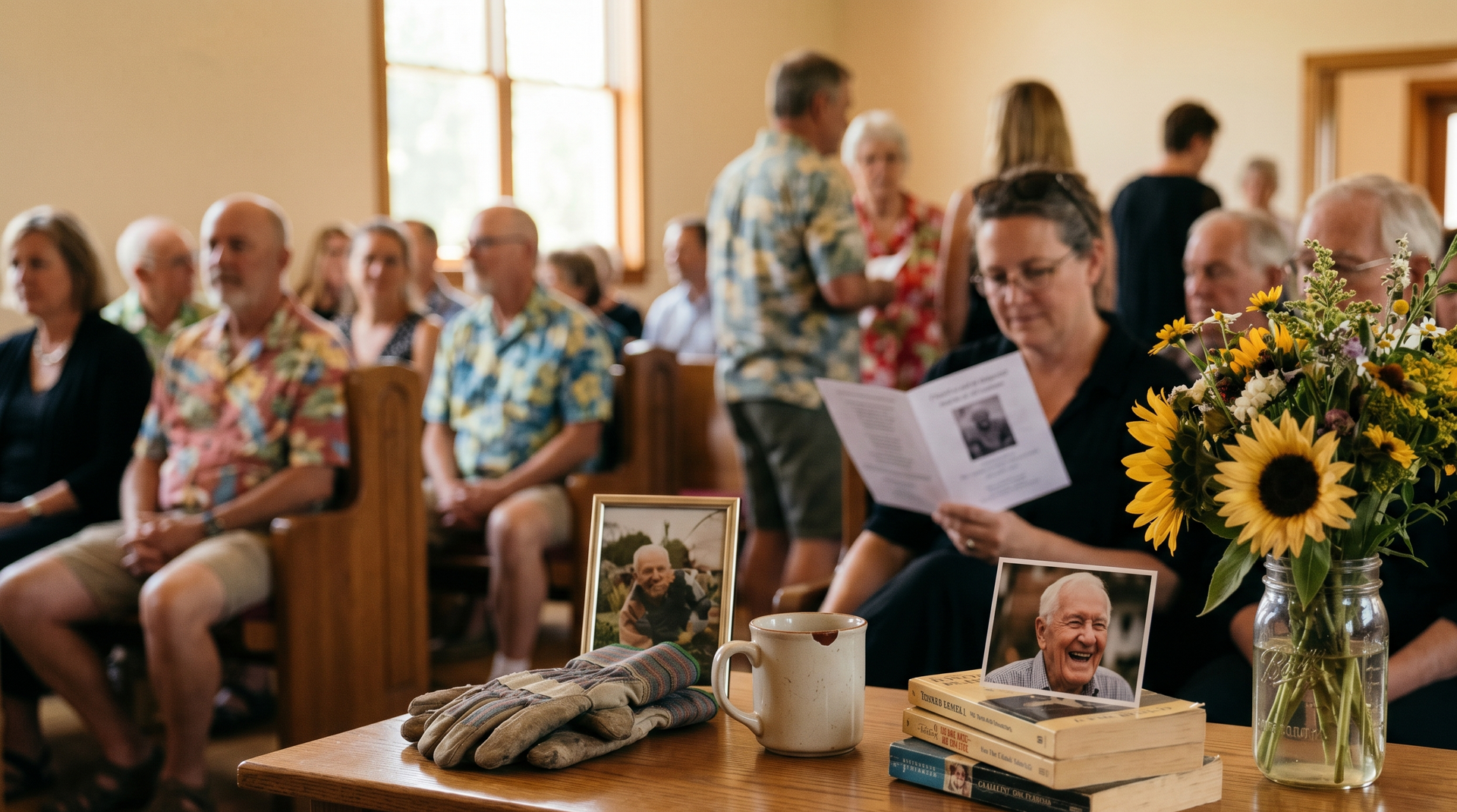
The tone is usually warmer and more upbeat than a traditional funeral. Instead of focusing primarily on loss and mourning, a celebration of life tends to emphasize the joy, humor, and impact of the person's life. Stories, laughter, photos, music, and even food are all common elements.
Some celebrations of life include formal elements like eulogies and readings. Others feel more like a gathering of friends, with open conversation and shared memories replacing a structured program. Some include slideshows or tribute videos. Others set up memory stations where guests can write down their favorite stories or look through photo albums.
The body is usually not present at a celebration of life. Most families who choose this format have already completed the burial or cremation beforehand. This removes some of the emotional weight of the event and allows the focus to shift entirely to remembrance.
The Key Differences
While both formats honor the deceased, they differ in a few important ways.
Tone. Traditional funerals tend to be solemn and reverent. Celebrations of life tend to be warmer and more uplifting. Neither tone is better or worse. It depends on what feels right for your family and what the deceased would have wanted.
Structure. Traditional funerals follow a predictable order of events. Celebrations of life are more flexible and can be designed around the personality of the person being honored.
Timing. A traditional funeral usually happens within a few days of the death, especially if burial is involved. A celebration of life can be held days, weeks, or even months later. This extra time can be helpful for families who need to travel or who simply aren't ready to plan a service right away.
Location. Traditional funerals are typically held at a funeral home or place of worship. Celebrations of life can happen almost anywhere.
Presence of the body. Traditional funerals often include a viewing with the body present. Celebrations of life usually do not, though there are no hard rules.
Cost. Traditional funerals tend to cost more because they involve embalming, a casket, a viewing room, and cemetery fees. Celebrations of life can range from very affordable to more expensive depending on the venue and extras, but they generally involve fewer required expenses.
You Don't Have to Choose One or the Other
Here's something many families don't realize: you can combine elements of both.
Some families hold a traditional funeral with a viewing and formal service, then follow it up with a more casual celebration of life a few days or weeks later. Others build celebration-of-life elements into a traditional service by adding personal touches like a favorite song, a themed dress code, or a memory table.
Cremation makes this flexibility even easier. When a family chooses cremation services, there's no urgency to hold a service right away. The family can take time to plan something that truly reflects the person they've lost, whether that's a formal ceremony, a relaxed gathering, or some combination of both.
How to Decide What's Right for Your Family
There's no formula for this decision. But here are a few questions that can help guide you:
What would the deceased have wanted? If your loved one expressed preferences during their lifetime, start there. Some people want a traditional church funeral. Others specifically say they don't want anything somber. Honoring their wishes is always a good starting point.
What does your family need? Grief looks different for everyone. Some family members may need the structure and ritual of a traditional service to feel grounded. Others may find a less formal gathering more healing. If your family is divided, consider doing both.
What is your budget? Be honest about what you can afford. A meaningful service doesn't require a large price tag. Some of the most powerful celebrations of life involve nothing more than a group of people sharing stories in a living room.
What role does faith play? For families with strong religious traditions, a traditional funeral led by a pastor, priest, or rabbi may feel essential. For families who are less connected to organized religion, a celebration of life may feel more natural.
Do you want the body present? If having a physical goodbye is important to your family, a traditional funeral with a viewing may be the right choice. If your family prefers to focus on memory and celebration rather than the physical presence of the deceased, a celebration of life may be a better fit.
Personalization Makes Any Service Meaningful
Regardless of which format you choose, personalization is what makes a service feel like it truly belongs to the person you're honoring.
A traditional funeral can include personal music, a slideshow, custom programs, and meaningful readings chosen by the family. A celebration of life can include the same elements in a less formal setting. Either way, the small details are what people remember most.
One family might set up a table of their father's fishing gear. Another might play their mother's favorite playlist during the reception. Another might ask guests to wear the deceased's favorite color instead of black. These touches don't cost much, but they make the service feel real and personal.
The funeral directors at Stephens Funeral & Cremation Services are experienced in helping families design services that fit their vision, whether that's a formal ceremony or a relaxed gathering. We listen to what matters to you and help bring it to life.
There's No Wrong Answer
The most important thing to remember is that there is no wrong way to honor someone you love. A traditional funeral is not outdated. A celebration of life is not disrespectful. Both are simply different expressions of the same thing: love, loss, and the human need to come together when someone is gone.
Take your time. Talk to your family. And don't be afraid to do something different if that's what feels right.
If you'd like help thinking through your options, contact our team. We'll sit with you, listen to what you need, and help you plan something that honors your loved one in a way that feels true to who they were.